Sales:
(605) 550-7703
Service:
(605) 996-5120
Parts:
(605) 996-5120
Open Today Sales: 8 AM-6 PMOpen Today Service: 7:30 AM-6 PM

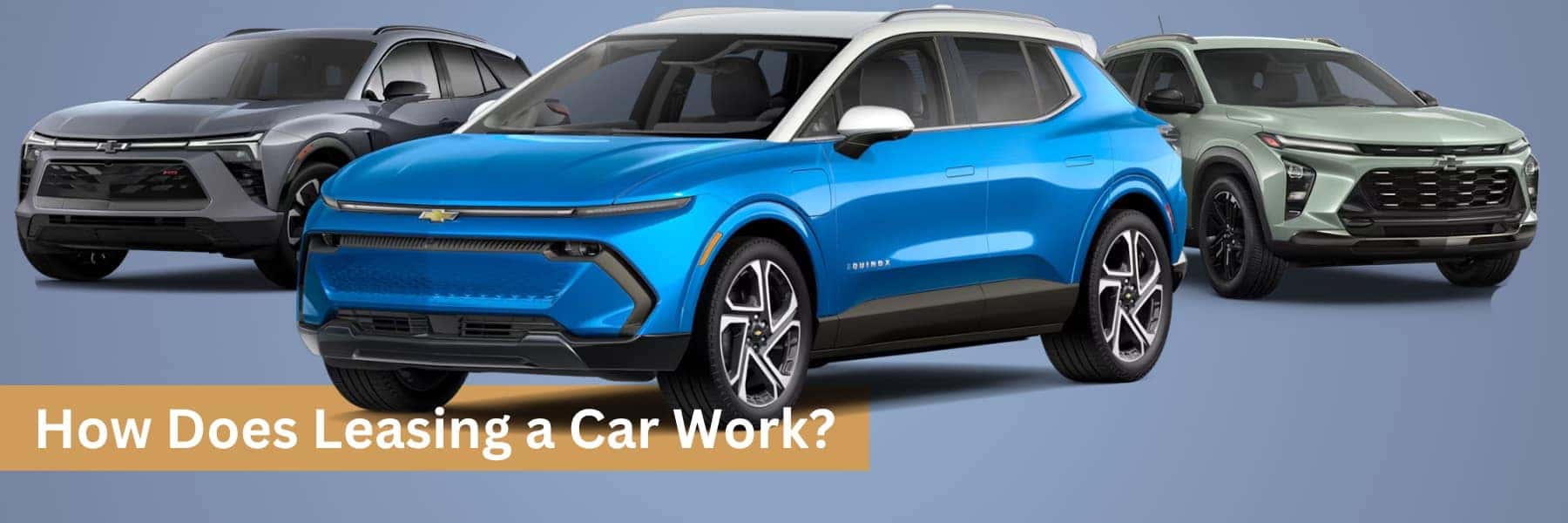
Weighing a lease against a loan? It’s not always an easy choice, especially if you’re new to lease options. In short, leasing means you pay for the part of the car’s value you actually use, not the full price. The dealership predicts what the car will be worth at the end of your lease term, called the residual value. Your payments cover the gap between that number and the car’s current price, plus interest and fees.
A $35,000 SUV with a residual value of $21,000 after 3 years leaves a $14,000 gap. That gap, split across the lease term and combined with a small finance charge, becomes your monthly payment. Buy the same car with a loan and you're paying down the full $35,000 instead.
Every lease has 4 core numbers: the negotiated price, the residual value, the money factor (the lease version of an interest rate), and the term length. Shorter terms usually mean higher payments but less depreciation risk for you. Longer terms lower the payment but stretch out your commitment.
Your credit score plays a role too. Scores above 680 generally qualify for standard lease terms, and scores above 740 tend to get the best rates. If your credit isn’t there yet, leasing is still possible, but it just costs more.
You can check what a specific vehicle would cost to lease using our payment calculator before you talk numbers. Models like the Chevy Equinox, Silverado, and Traverse all carry different residual values depending on trim, so the same down payment produces a different monthly number on each one.
A missed lease payment works like a missed loan payment. Late fees apply after a grace period, usually 10 to 15 days, and it can show up on your credit report after 30 days past due. If you're going to be late, call the leasing company before the due date. Most will work out a short extension rather than start collections.
If you lease through us, call our finance team first. We'd rather help you find a fix than let a late payment turn into a bigger problem.
If you're comparing lease numbers on an Equinox, Silverado, or Traverse, our finance team can walk you through the actual monthly cost on the trim you want, with no surprise add-ons at signing. Get pre-approved at Vern Eide Chevrolet, your local Chevrolet dealer serving Mitchell, Sioux Falls, Huron, Madison, Brookings, and all of Central South Dakota.
Most leasing companies want to see solid credit, similar to what you'd need for a good financing rate. If your credit isn't quite there, leasing is still possible, it just tends to cost more.
A lease payment covers the vehicle's expected depreciation over the term, plus interest. A loan payment covers the full purchase price. That's why lease payments are usually lower.
Yes. The vehicle's price, mileage limit, fees, and trade-in value are all negotiable, even though many shoppers assume lease terms are fixed.
You'll pay a per-mile overage fee at lease-end. If you drive more than the standard 10,000 to 12,000 miles a year, ask about a higher mileage allowance upfront, it usually costs less than paying overage fees later.
Ending a lease before the term is up usually means an early termination fee. Talk to your leasing company before you sign if there's a real chance your situation might change.
You can return the vehicle, lease a new one, or buy the vehicle you've been driving if your contract includes a purchase option.
